Preserving Antique Carpets: Techniques and Tips
Antique carpets are not just decorative items; they are often invaluable pieces of history. Preserving them requires knowledge of the right techniques and an understanding of the materials involved. This article explores effective methods for maintaining and restoring your antique carpets, ensuring they remain a cherished part of your home.
Understanding the Importance of Preservation
Antique carpets, often made from natural fibers like wool or silk, can be sensitive to various environmental factors. According to experts, exposure to sunlight, humidity, and improper cleaning techniques can lead to fading, deterioration, and irreversible damage. Therefore, understanding how to properly care for these treasures is vital.
Common Techniques for Carpet Preservation
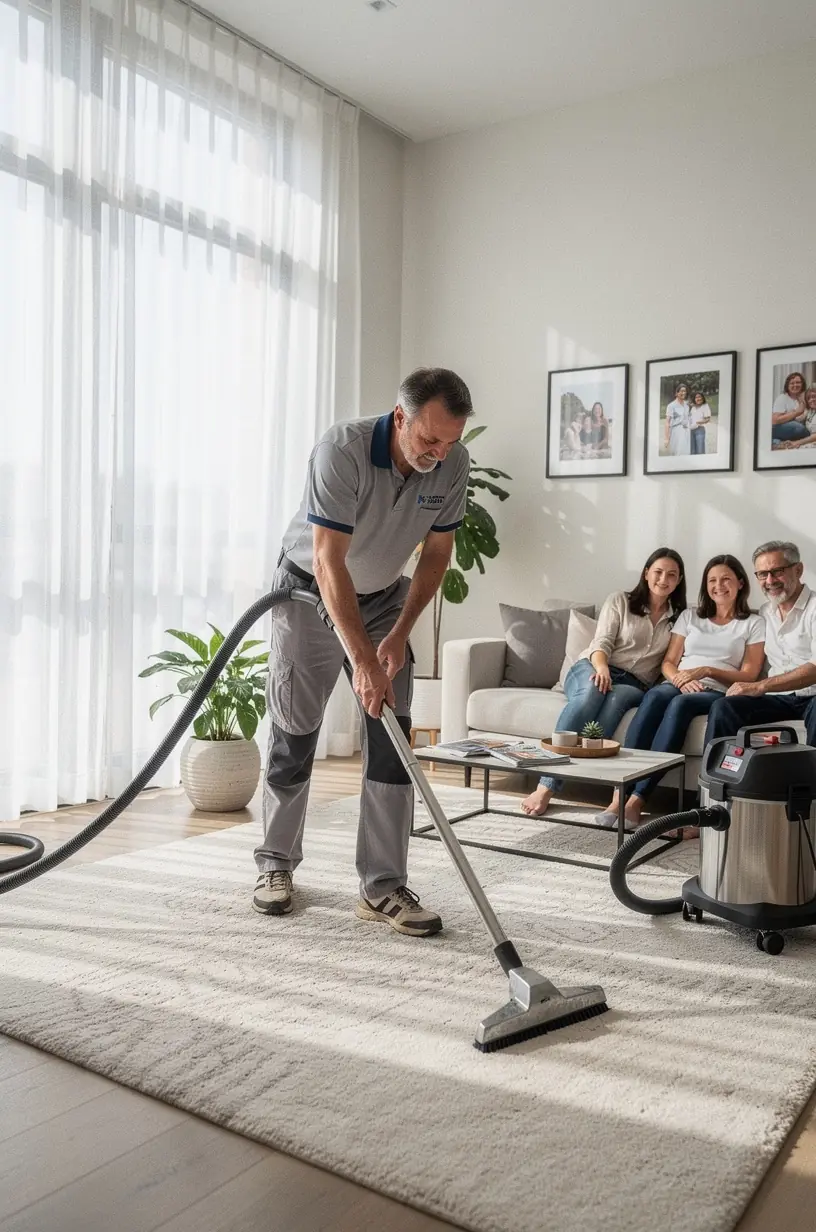
- Regular Cleaning: Experts recommend vacuuming antique carpets at least once a month to remove dust and dirt. However, it is crucial to use a vacuum cleaner with a gentle suction setting, as strong suction can damage the fibers.
- Avoiding Direct Sunlight: Prolonged exposure to sunlight can fade colors significantly. Research indicates that using UV-protective window films can help shield carpets from harmful rays.
- Humidity Control: Maintaining a stable humidity level between 40-60% can prevent mold growth and fiber degradation. In many cases, using a dehumidifier in damp conditions is beneficial.
"Regular maintenance and understanding environmental impacts can significantly extend the lifespan of antique carpets."
Professional Restoration Services
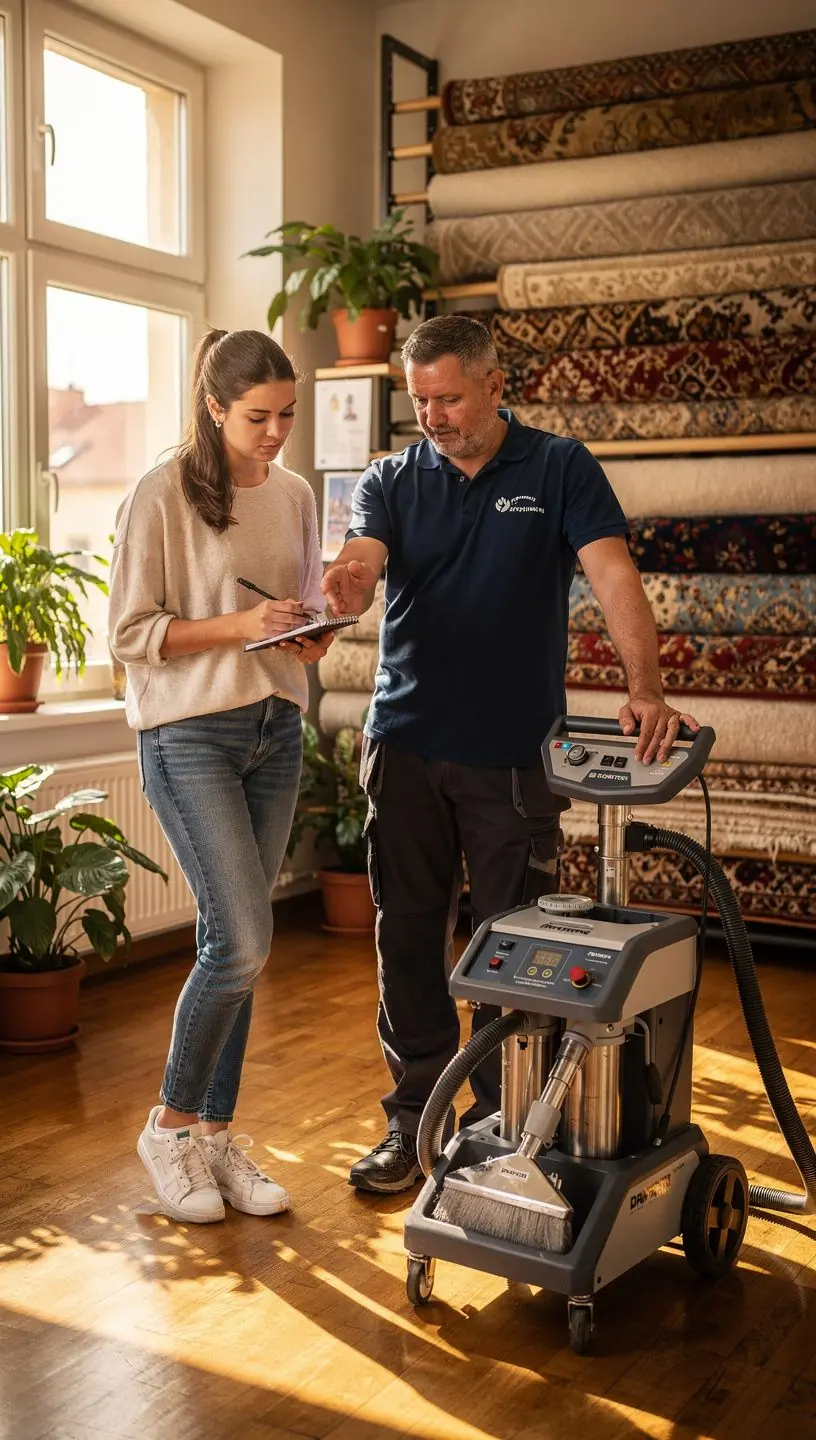
While regular care is essential, there will be times when professional intervention is necessary. Industry standards suggest that if your carpet shows signs of significant wear or damage, consulting a professional restoration service is advisable. These experts typically use specialized techniques like:
- Color Restoration: This process involves using dyes that match the original colors of the carpet, helping to restore its appearance without compromising its integrity.
- Weaving Repairs: Experts can replace missing or frayed sections of the carpet using techniques that mimic the original weaving pattern, which is critical for maintaining authenticity.
- Gentle Cleaning: Professionals use methods that are safe for antique carpets, such as dry cleaning or low-moisture cleaning techniques that do not damage the fibers.
DIY Preservation Tips
For those who prefer to manage their carpets' care at home, here are a few do-it-yourself tips that can help:
- Spot Cleaning: If spills occur, act quickly by blotting (not rubbing) the area with a clean, dry cloth. Studies show that using a solution of mild soap and water may help in many cases, but always test a small area first.
- Rotate Your Carpets: To ensure even wear, rotate your antique carpet every 6-12 months. This can help prevent one area from becoming excessively worn due to foot traffic.
- Use Carpet Pads: Placing a good-quality carpet pad underneath your antique carpet can provide cushioning and reduce wear on the fibers.
Conclusion
Preserving antique carpets is an ongoing process that requires diligence and care. By utilizing proper cleaning techniques, controlling environmental factors, and knowing when to seek professional help, you can significantly enhance the longevity of these beautiful pieces. Experts agree that preservation efforts are worthwhile, as they not only maintain the aesthetic value but also protect the historical significance of these carpets. Remember, a well-cared-for antique carpet can be a source of beauty and pride for generations to come.
Learn More