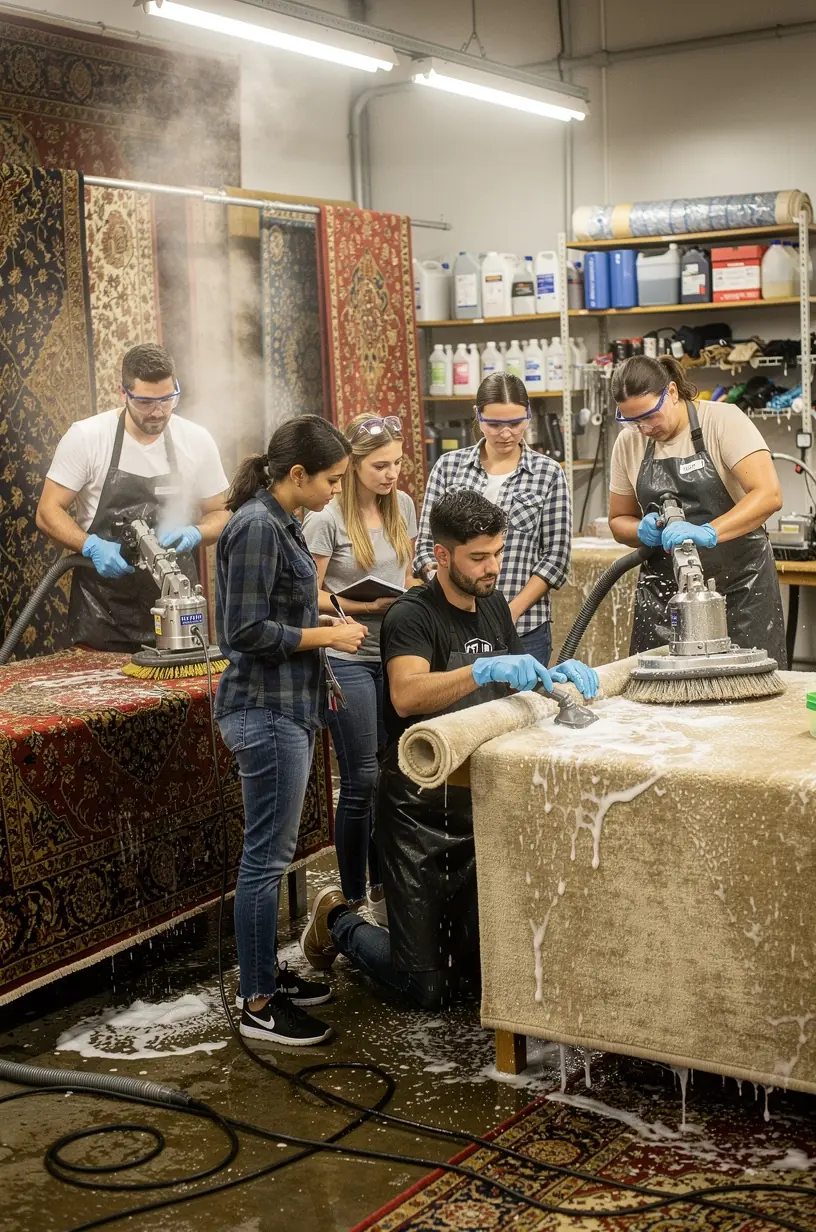
The Science Behind Deep Carpet Cleaning
Deep carpet cleaning involves more than just a vacuum; it is a scientific process aimed at restoring and preserving carpets. Understanding the principles behind deep cleaning can help you make informed decisions about maintenance and care.
Understanding the Basics of Carpet Cleaning
Deep carpet cleaning typically relies on methods such as hot water extraction, steam cleaning, and dry cleaning. According to the Institute of Inspection, Cleaning and Restoration Certification (IICRC), regular deep cleaning can extend the life of carpets significantly, often by 50% or more.

"Research indicates that carpets that are cleaned regularly not only look better but also contribute to a healthier indoor environment."
How Deep Cleaning Works
Deep cleaning processes work by removing dirt, allergens, and bacteria embedded in carpet fibers. Here's how:
- Hot Water Extraction: This method uses high-temperature water to dissolve dirt and grime. The hot water is injected into the carpet, then extracted along with the dirt using a powerful vacuum. Studies show this method can eliminate up to 90% of common household allergens.
- Steam Cleaning: Steam cleaning sanitizes carpets by using steam to penetrate fibers. This process not only cleans but can also reduce odors and bacteria, as temperatures often exceed 100 degrees Celsius.
- Dry Cleaning: A less common but effective method that uses special solvents to break down dirt without water. This approach is particularly useful for delicate fabrics where moisture could cause damage.
Benefits of Deep Carpet Cleaning
Regular deep cleaning can lead to several benefits:
- Improved Air Quality: Carpets can trap dust and allergens. Deep cleaning removes these contaminants, contributing to better indoor air quality, especially for those with allergies.
- Enhanced Appearance: Deep cleaning revives carpets, restoring their color and texture. Many users report that their carpets look significantly better after a thorough cleaning.
- Extended Lifespan: By removing dirt and grime that can degrade fibers over time, deep cleaning can help carpets last longer. Industry experts suggest that maintaining a regular cleaning schedule can yield a noticeable difference.
Setting Realistic Expectations
While deep cleaning is effective, it's important to set realistic expectations. For instance, results from a deep cleaning service typically become noticeable within a few hours, although the carpet may take longer to fully dry. Additionally, deep cleaning should occur every 6-12 months, depending on foot traffic and environmental factors.
It's important to note that while deep cleaning can improve the appearance and cleanliness of carpets, it may not remove all stains, especially those that have set in over time. Some stains may require specialized treatments.
Conclusion
Understanding the science behind deep carpet cleaning can empower you to take better care of your carpets. By utilizing effective cleaning methods and following a regular maintenance schedule, you can enhance not only the aesthetics of your carpets but also contribute to a healthier living environment. Remember, while deep cleaning can provide significant benefits, it is not a substitute for regular cleaning practices.